

If you have been following along with my robot car guided by AI project you’ll know that I got it working with Gemini. I then switched to using Azure AI Foundry. Finally, I changed the code so that car ran most of the local decisions while the AI just made the major navigation decisions.
Each time navigation did improve, but I would have to observe the movements and tell the AI what issues I’d seen and then the Ai would go off and improve the code. I’d then test and update again, round and round in a loop. Each time there was a small incremental change in navigation ability but I still faced edge cases the existing algorithm struggled with.
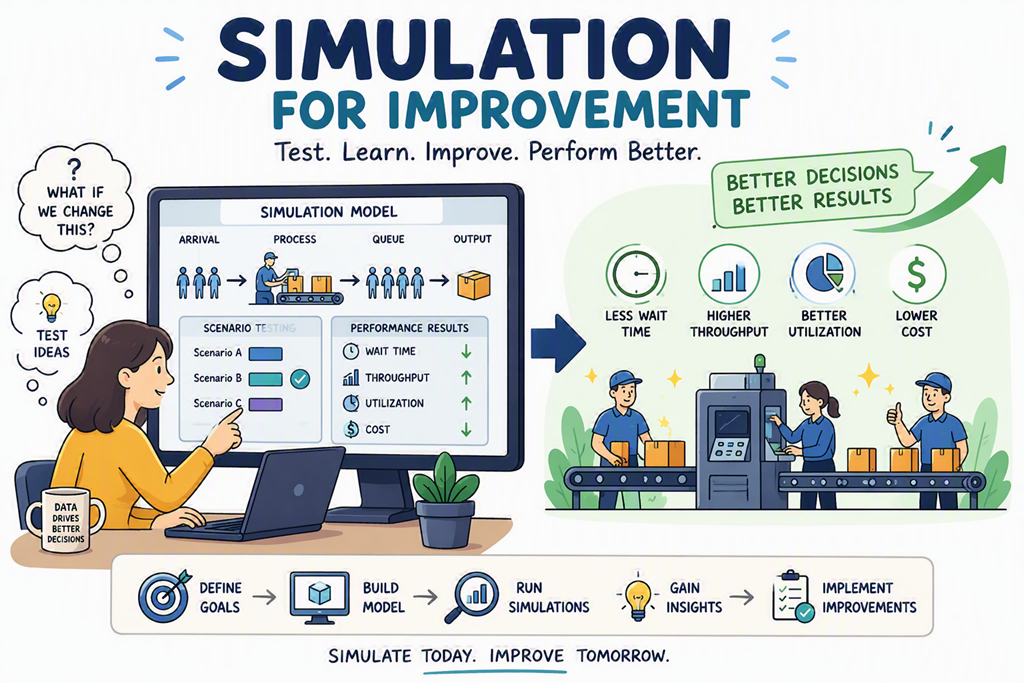
I could have continued this update, observe, update loop infinitum, making constant incremental improvements. However, when I stepped back and though about how AI systems improve I realised that it was via repetitive learning in a simulated, rather than real environment.
I therefore asked Github Copilot to simulate the algorithm of the robot cars navigation and then test that via simulation. Any improvements learned via the simulation should then be applied back to the robot cars code. I then unleashed Github Copilot to complete this task, without asking for input, until it reached a near prefect navigation result in the simulator.
The result is this code:
https://github.com/directorcia/Azure/blob/master/Iot/LLM/llm-nav-max.ino
which I will say, although far from ‘perfect’ achieved much better results than the incremental ones I was obtaining simply by observational feedback.
The success I’ve had here using the concept of a simulation to test the algorithm and then continue to iterate to improve the code has made me think about what else I could apply this ‘simulation’ process to when other AI work I am performing.
Interesting.

