
There’s something incredibly satisfying about assembling your own robot arm. As someone who recently built the 6DOF Programmable Robot Arm Kit from IDY Production, I wanted to share my experience and provide a comprehensive guide for fellow educators, students, and robotics enthusiasts.
What’s in the Box
When my Amazon package arrived, I was impressed with how neatly everything was organized. The kit includes:
- 2mm thick aluminium plate components (pre-cut and precision machined)
- 6 high-torque servo motors for each degree of freedom
- All necessary hardware (screws, nuts, spacers)
What was noticeably missing, however, was a comprehensive instruction manual. Despite the kit’s professional appearance, I had to hunt down assembly instructions online—an unexpected challenge that’s worth mentioning for anyone considering this purchase.
The quality of the materials immediately stood out – the 2mm aluminium plates are robust and precisely manufactured, providing a solid foundation for educational applications.
Finding Assembly Instructions
After discovering no instructions were included in the package, I immediately went searching online. Fortunately, I found several helpful resources:
-
PDF Assembly Guide: Downloadable Assembly Instructions PDF – This detailed document provides clear illustrations and step-by-step instructions for assembling the robot arm.
-
YouTube Tutorial: 6 dof robotic arm build tutorial part1 – This comprehensive video walks through the assembly of a similar 6DOF robot arm and was invaluable for understanding the correct positioning of components and servo motors.
I recommend downloading and printing the PDF instructions before beginning assembly, and having the video tutorial available for reference during the more complex assembly steps.
Assembly Process
1. Preparing Your Workspace
Before diving in, I recommend setting up a clean, well-lit workspace with all your tools organized. You’ll need:
- Phillips screwdriver set
- Needle-nose pliers
- Small adjustable wrench
- A container to hold small parts
2. Base Assembly
I started with the base, attaching the first servo motor to the bottom plate. The pre-drilled holes aligned perfectly, though I found it helpful to loosely thread all screws before tightening any of them fully. This allowed for minor adjustments as I completed each section.
3. Building the Arm Segments
Each joint required careful attention to the orientation of the servo motors. The PDF guide provides excellent diagrams showing the exact positioning of each component, while the video tutorial shows the assembly process in action. This combination of resources made even the trickier joint assemblies manageable.
The aluminium plates connect seamlessly, creating a professional-looking result that’s both sturdy and aesthetically pleasing.
4. Wiring the System
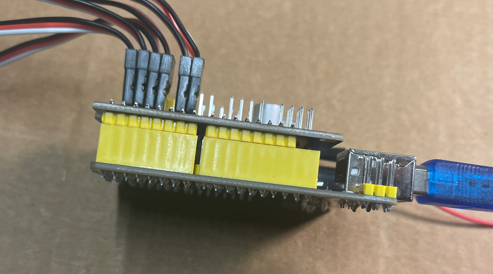
Cable management proved to be one of the more challenging aspects. The kit includes cable ties, but I supplemented these with spiral wire wrap to keep everything tidy. Take your time routing the wires to ensure they won’t impede movement once the arm is operational.
The video tutorial shows a good approach to cable management around the 12:40 mark, which I found helpful for keeping wires organized without restricting movement.
Programming Your Robot Arm
Once assembled, the real fun begins. The arm can be programmed using:
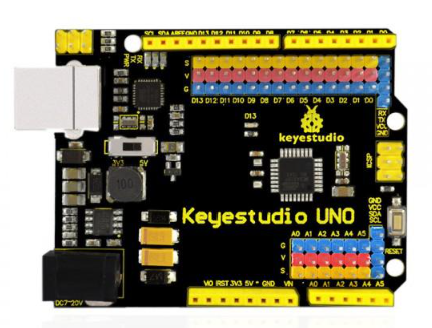
- Arduino IDE (for customized control)
- ROS (Robot Operating System) for advanced applications
- Various GitHub repositories with open-source robot arm control code examples
I am planning on creating pick-and-place applications and programming choreographed movements across all six degrees of freedom.
Final Thoughts
The 6DOF Programmable Robot Arm Kit from IDY Production strikes an excellent balance between educational value and build quality. The 2mm aluminium construction ensures longevity even in classroom environments where equipment typically endures heavy use.
While the absence of included instructions was initially frustrating, finding the PDF guide and YouTube tutorial ultimately provided more comprehensive guidance than a basic manual might have offered. The assembly process itself is educational and deeply rewarding, though newcomers should expect to spend time studying both resources before and during assembly.
For college instructors looking to provide students with practical robotics experience, this kit offers tremendous value—just be prepared to supplement the package with the online resources I’ve mentioned.
Have you built a similar robotics kit? I’d love to hear about your experience and any creative applications you’ve developed in the comments below!
This blog post is based on my personal experience with the IDY Production 6DOF Programmable Robot Arm Kit, purchased through Amazon. The opinions expressed are my own, and I received no compensation for this review.





 CIAOPS Labs